

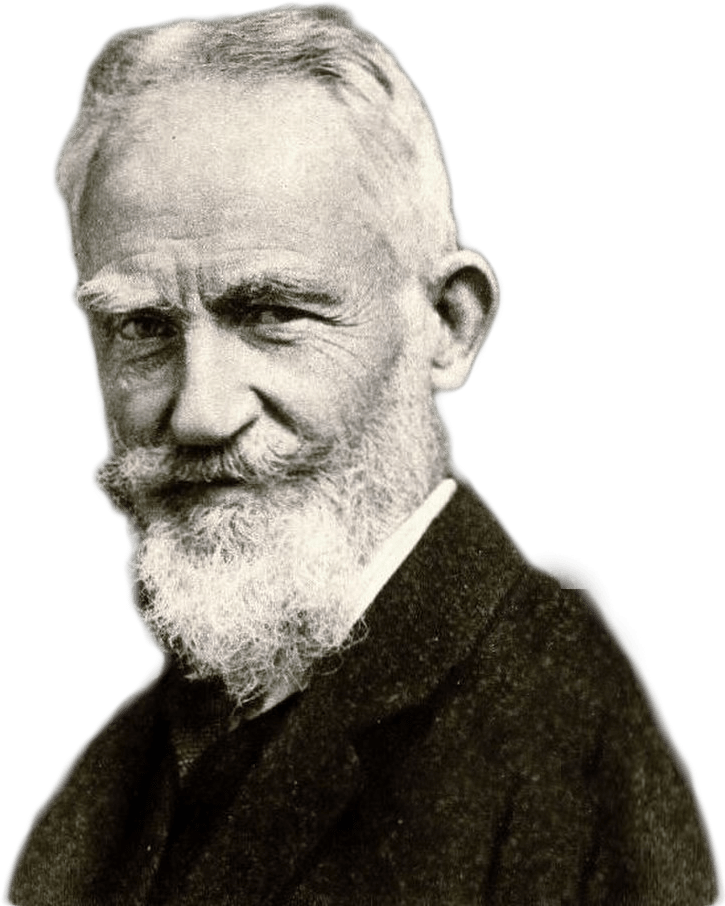
“Bernard Shaw and the Roaring Twenties”
Cohosted by the International Shaw Society and the Shaw Society (UK)
The 1920s were high-intensity years marked by rapid economic expansion, explosive cultural innovation, new media creation, and changing social attitudes including the passing of equal voting rights for women in England (1928). For Shaw, it was also a decade of extraordinary productivity and intellectual engagement. During these years he wrote some of his most ambitious and controversial plays: Back to Methuselah (1921), Saint Joan (1923), and The Apple Cart (1929). In a world eager to forget the horrors of war, he managed the premiere of Heartbreak House (1920) in New York and supported his German translator by adapting one of Siegfried Trebitsch’s plays into English as Jitta’s Atonement (1923). He even won a decades-long battle with the Lord Chamberlain’s censorship when Mrs. Warren’s Profession was finally licensed for production in England (1924).
The Nobel Prize for Literature (1925) affirmed the significance of Shaw’s works, while productions of his plays around the world also revived and solidified his global reputation. Closer to home, his success on the London stage resurrected Shaw’s reputation from whatever effects lingered from the negative response to his war journalism. Before the decade was out, his plays would be heard on the radio and even seen on film, often in adaptions he scripted himself for the new media that ‘artistically interested’ him.
Not that Shaw was content to rest on his dramatic laurels. With an energy suited to the decade, he campaigned on behalf of Labour candidates and regularly appeared at the Fabian Summer Schools, mingling with younger generations of socialist reformers pushing for economic, political, and social change. A lifelong supporter of women’s rights, he channeled a request for advice from his sister-in-law into The Intelligent Woman’s Guide to Socialism and Capitalism (1928), his most sustained work of non-fiction prose. In it, he advocated that young women look beyond trends and marital relationships as political suffrage was meaningless without economic independence and equal pay.
Throughout the decade, Shaw stretched his imagination from medieval saints to an evolutionary future “as far as thought can reach,” eagerly—often provocatively—imagining worlds saner and more equitable than the one he saw around him and astutely managing new media technologies to engage modern audiences.
The conference organizers invite papers that consider any aspect of Shaw’s engagement with the context of the Roaring Twenties. We particularly welcome papers that place Shaw in conversation with the broader cultural and intellectual history of the 1920s and examine his responses, theatrical and otherwise, to a decade in which established assumptions about politics, identity, gender, society, and technology were being challenged.
Send abstracts of 200 words (maximum of twenty minutes per talk) and a brief letter of introduction to Dr. Audrey McNamara, bernardshawindublin@gmail.com for consideration. Deadline to submit abstracts is 28 February 2027. For more information about the conference and funds available for travel assistance, go to www.shawsociety.org.
Feel free to circulate this CFP among your friends and colleagues. The pdf version of this document is AVAILABLE HERE.